These key combinations apply only to Mac computers with an Intel processor, not Mac computers with Apple silicon.
- Like the urgent update Apple released last week for the iPhone - iOS 9.3.5 - the Mac patches quash three bugs, two in the operating system's kernel and the third in the Safari browser.
- There are plenty of reasons for having Ubuntu run on a Mac, including the ability to broaden your technology chops, learn about a different OS, and run one or more OS-specific apps. You may be a Linux developer and realize that the Mac is the best platform to use, or you may simply want to try out Ubuntu.
- To transfer content using Smart Switch for Mac, you will need: 1) A Samsung mobile device with Android OS version 4.3 or later 2) An old device that meets one of the following requirements.
- Mac fails to boot or start after the macOS update. Whatever is preventing your Mac from starting up, follow these 5 simple solutions to get it working again. If you have data loss problem after macOS update, EaseUS Data Recovery Wizard for Mac provides tried-and-true data recovery service to you.
Mixemergency Crack Mac DOWNLOAD.
To use any of these key combinations, press and hold the keys immediately after pressing the power button to turn on your Mac, or after your Mac begins to restart. Keep holding until the described behavior occurs.
- Command (⌘)-R: Start up from the built-in macOS Recovery system. Or use Option-Command-R or Shift-Option-Command-R to start up from macOS Recovery over the Internet. macOS Recovery installs different versions of macOS, depending on the key combination you use while starting up. If your Mac is using a firmware password, you're prompted to enter the password.
- Option (⌥) or Alt: Start up to Startup Manager, which allows you to choose other available startup disks or volumes. If your Mac is using a firmware password, you're prompted to enter the password.
- Option-Command-P-R:Reset NVRAM or PRAM. If your Mac is using a firmware password, it ignores this key combination or starts up from macOS Recovery.
- Shift (⇧): Start up in safe mode. Disabled when using a firmware password.
- D: Start up to the Apple Diagnostics utility. Or use Option-Dto start up to this utility over the Internet. Disabled when using a firmware password.
- N: Start up from a NetBoot server, if your Mac supports network startup volumes. To use the default boot image on the server, hold down Option-N instead. Disabled when using a firmware password.
- Command-S: Start up in single-user mode. Disabled in macOS Mojave or later, or when using a firmware password.
- T: Start up in target disk mode. Disabled when using a firmware password.
- Command-V: Start up in verbose mode. Disabled when using a firmware password.
- Eject (⏏) or F12 or mouse button or trackpad button: Eject removable media, such as an optical disc. Disabled when using a firmware password.
If a key combination doesn't work
If a key combination doesn't work at startup, one of these solutions might help:
- Press and hold all keys in the combination together, not one at a time.
- Shut down your Mac. Then press the power button to turn on your Mac. Then press and hold the keys as your Mac starts up.
- Wait a few seconds before pressing the keys, to give your Mac more time to recognize the keyboard as it starts up. Some keyboards have a light that flashes briefly at startup, indicating that the keyboard is recognized and ready for use.
- If you're using a wireless keyboard, plug it into your Mac, if possible. Or use your built-in keyboard or a wired keyboard. If you're using a keyboard made for a PC, such as a keyboard with a Windows logo, try a keyboard made for Mac.
- If you're using Boot Camp to start up from Microsoft Windows, set Startup Disk preferences to start up from macOS instead. Then shut down or restart and try again.
In Emergency Mac Os Download
Remember that some key combinations are disabled when your Mac is using a firmware password.
Learn more
- Keyboard shortcuts that you can use after your Mac has started up.
Matt Cone January 17, 2013 TutorialsMac
It’s a good idea to have a bootable emergency drive on hand, just in case disaster strikes your Mac. An emergency drive (also referred to as an OS X Recovery Disk) can help you repair the hard disk, reinstall the operating system, and restore from a Time Machine backup to get your computer back fast.
With previous versions of OS X, you could have used the installation DVD to fix problems. But OS X Mountain Lion is sold in the App Store as a digital download — no physical disk is provided. What’s a maintenance-minded Mac user to do?
Create your own bootable OS X USB drive, of course! It’s easy, and if you’ve already purchased OS X and have a USB drive that’s 1 GB or larger, it’s completely free. Carry it in your pocket or put it on your keychain so it’s available if the worst-case scenario occurs. You’ll thank yourself for taking the time to complete this project.
Evaluating Your Emergency Drive Options
It can happen to any of us, even those who own brand-new Macs. First your computer starts freezing infrequently, then crashing more often, and then it won’t start at all. For situations like this, you need an emergency drive on hand to start up your computer and troubleshoot the problem.
Emergency USB Drive: Creating a bootable USB drive is your safest bet. This device is self-contained and kept entirely separate from your computer — and any potential problems associated with it. But if you don’t want to create a USB drive, you may have access to two other types of emergency drives, depending on when you purchased your Mac.
Recovery HD: Every Mac running OS X Lion and later has a hidden Recovery HD partition that can be used to boot the computer and repair the hard disk. (To use the Recovery HD partition as your startup disk, hold down Command-R at startup or, if that doesn’t work, option.) But the Recovery HD probably won’t work if the internal hard drive is damaged. When you can’t boot from the regular startup disk, chances are you won’t be able to boot from the Recovery HD either.
Internet Recovery: Macs purchased after OS X Lion was released have an additional feature called Internet Recovery, which works even if your internal hard drive is damaged. If there’s a problem with your computer, it can network-boot from Apple’s servers. First, your computer’s memory and hard drive are checked for major issues. If none are found, your Mac downloads and boots from a Recovery HD image. But even if your Mac has this feature, you’ll still benefit from having an emergency drive, as it can take a while to download the Recovery HD partition.
Purchasing a USB Drive for Your OS X Recovery Disk
If you don’t have a spare USB drive, you’ll need to purchase one. We recommend the Amazon Basics 8 GB USB Flash Drive, which is a simple and affordable option available for less than $10.
Making Your Own Emergency OS X USB Drive
The best option is a Recovery HD partition on a bootable USB drive. This drive provides you with all the tools you need to troubleshoot problems, repair the hard drive, reinstall OS X, and restore from a Time Machine backup. In short, it’s the perfect safety net for those rare times when your internal hard drive is hosed.
:max_bytes(150000):strip_icc()/4nameeraseannotated-27e24ff70101493485a4b191b8e7d19a.jpg "Mac")
In Emergency Mac Os 11
Here’s how to create an emergency USB drive:
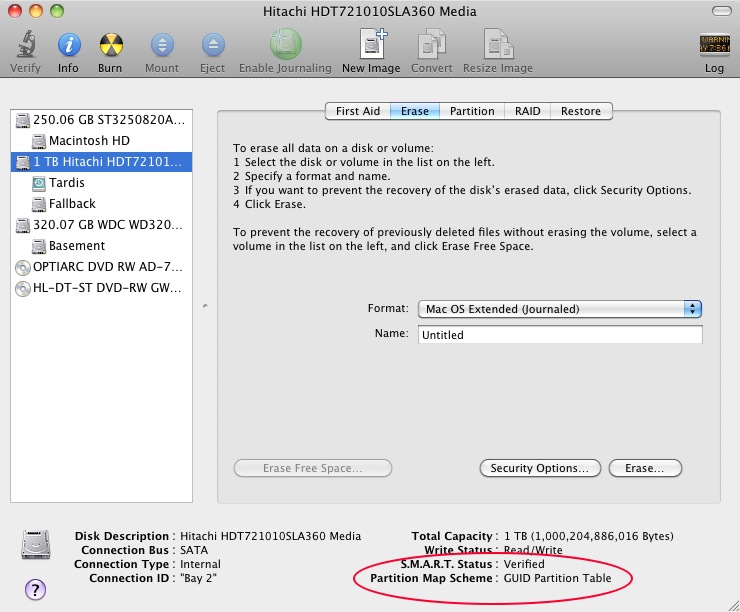
Connect a hard drive or USB drive to your computer. If the drive is larger than 1 GB, consider partitioning it to make a 1 GB partition for the recovery disk. (If you don’t create a partition, this process will use all of the available space on the drive, no matter how large it is.)
Open the Recovery Disk Assistant application. It’s available for free from Apple’s website.
Accept the license agreement. The Recovery Disk Assistant window appears, as shown below.
Select the disk and then click Continue.
Authenticate with your administrator username and password. The Recovery Disk Assistant creates the recovery disk, as shown below. The process takes approximately five minutes.
When the recovery disk has been created, click Quit.
Like the Recovery HD partition on your startup drive, the emergency drive is invisible when it’s connected to your computer. The Finder won’t provide any indication that it exists, but don’t worry — it’s there, waiting for your signal to help with a disaster!
Mac Os Download
Subscribe to our email newsletter
Mac Os Versions
Sign up and get Macinstruct's tutorials delivered to your inbox. No spam, promise!